
What to Keep, What to Change
Most culture change programmes start from a deficit: something is broken, and it needs fixing. Royal Voluntary Service began somewhere more interesting, and more difficult. As one of the UK's largest volunteering charities, supporting people and communities through volunteers, services and partnerships across health, care and local communities, it carries a culture with real depth to it. The question wasn't simply what needed to change. It was also what must never be lost.
The moment demanded an answer. The organisation was refreshing its long-term strategy and its brand, and leadership recognised a truth that many organisations discover too late: strategy and brand can be redesigned in a boardroom, but culture cannot. It has to evolve, and it has to be understood before it can be led anywhere.
There was a further complication, and it's what makes this story distinctive. Royal Voluntary Service is powered not only by thousands of employees but by volunteers spread across the UK, people who are there because they choose to be. You cannot mandate culture to a volunteer. You can only build one they want to belong to. Any honest picture of the organisation had to include their voices too.
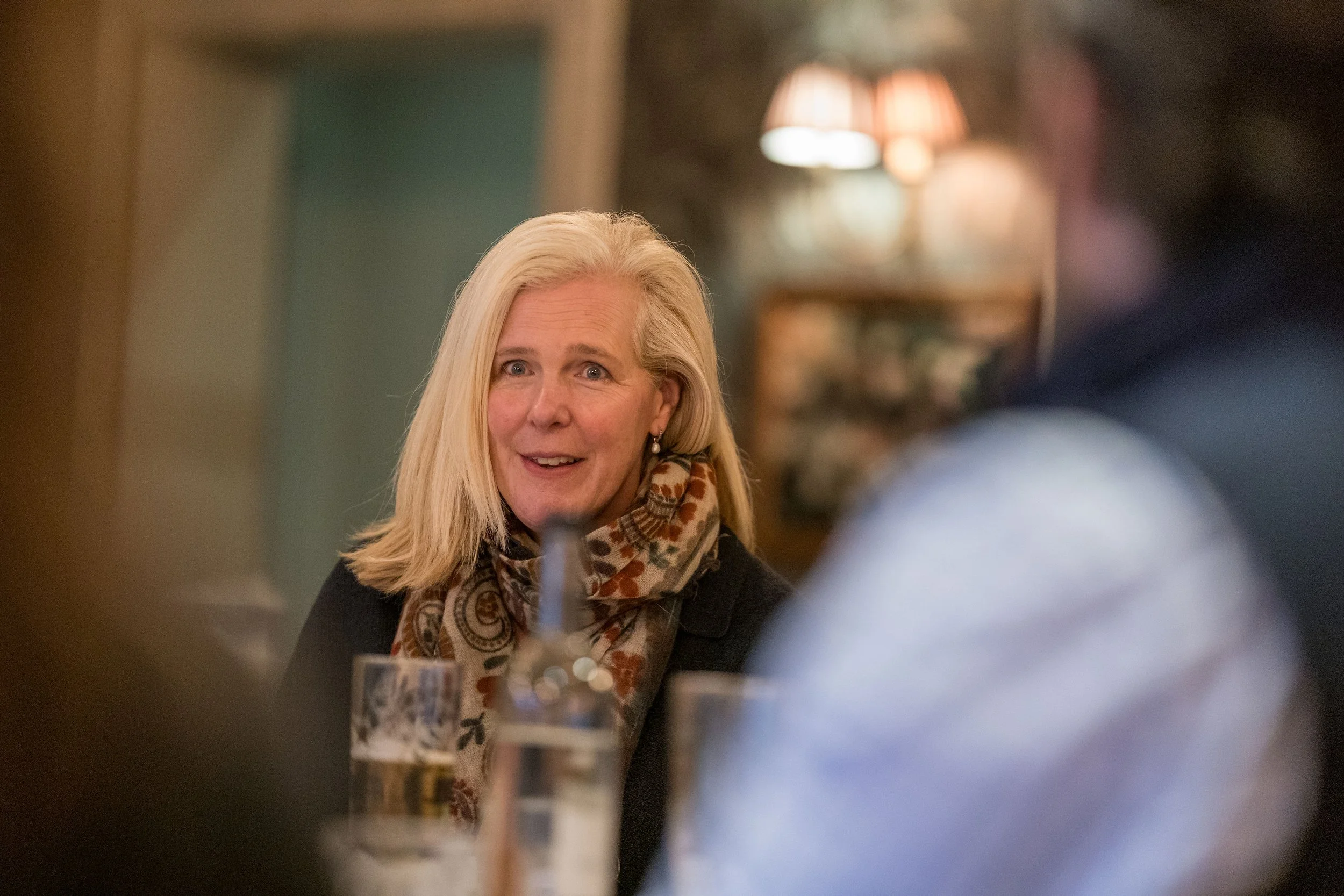
So Fluxion led an organisation-wide Listen & Learn project, and the name was the method. Leadership interviews, focus groups and cultural analysis, layered together to build a comprehensive, unvarnished picture of the organisation as its people actually experience it: its genuine strengths, its points of tension, and the gap between the culture it had and the culture its ambitions required.
.
Working closely with senior leaders, we turned that picture into direction. What emerged was a clear view of what should be preserved, because plenty deserved preserving, what needed to evolve, and a set of shared priorities leadership could stand behind together. From there, we developed a cultural approach to guide the next phase of the transformation: practical, sequenced, and anchored in evidence rather than instinct.
.
Royal Voluntary Service now approaches its cultural evolution from a position of knowledge. Leadership holds a shared understanding of the organisation's culture and a common language for talking about it, along with practical recommendations and a roadmap that connects cultural change directly to strategic direction. The foundation is laid for a future-ready culture, built with its people rather than announced to them.
Cultures like this one took decades to build. Changing one without breaking what makes it special is delicate work, and it starts the way all delicate work should: by listening carefully before acting boldly.
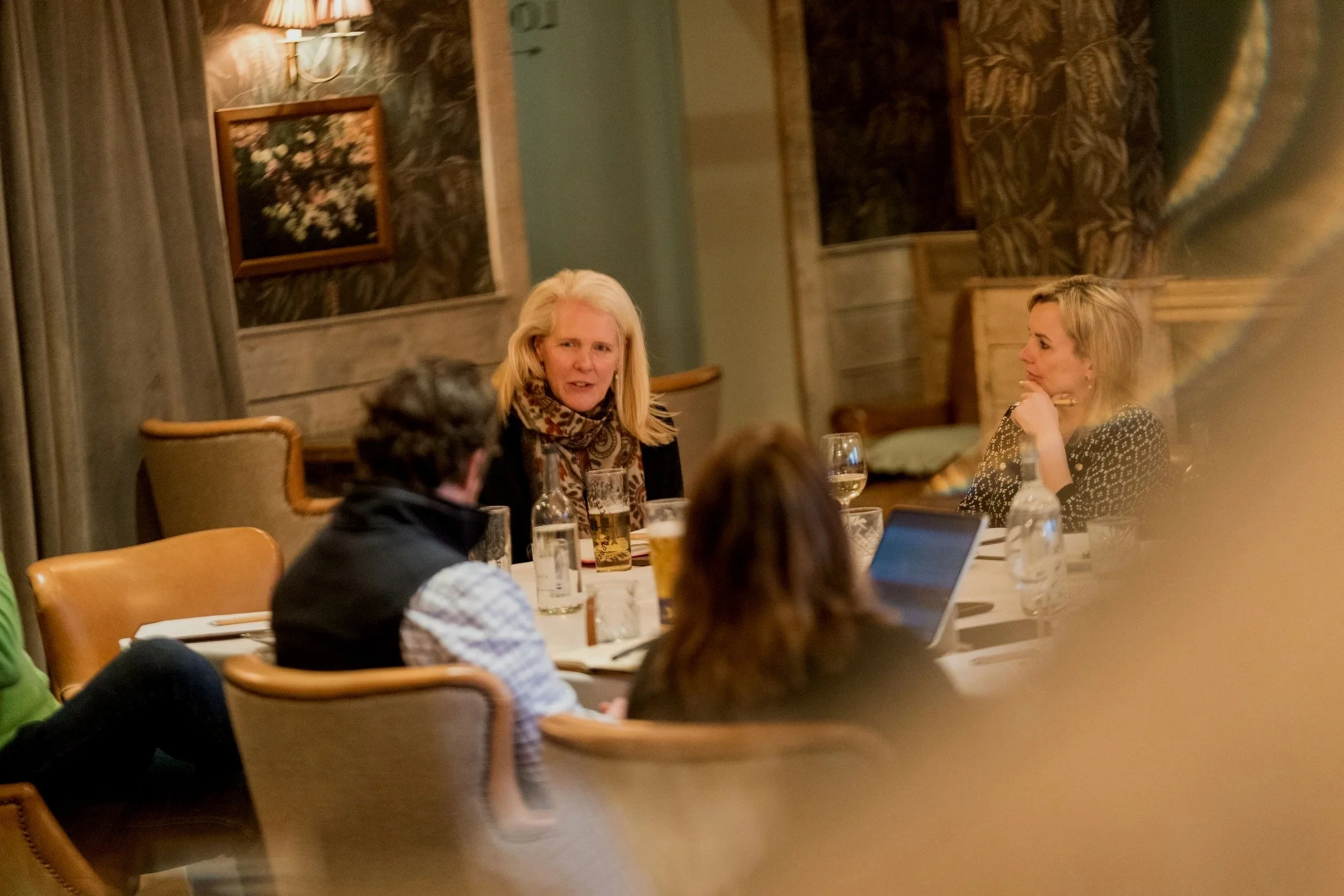
Working with Fluxion on our culture change programme was genuinely transformative. They took the time to understand who we are as an organisation, our volunteers, our values, and the challenges of change in a charity of our scale and built the project around that, rather than imposing an off-the-shelf model. The shift we've seen in how our teams collaborate and how confident our people feel about the future has been remarkable. I'd recommend them without hesitation
Catherine Johnstone – CEO
Fluxion were great at bringing new perspectives and ideas on how to deliver change and transformation, and the culture needed to be successful.
Jo Lee – Transformation Director